

Virginia's startup ecosystem runs on a mix of state-backed capital, university spinouts and a dense national security tech cluster in Northern Virginia. If you are starting up in Virginia, the fastest path is usually: form your company with the State Corporation Commission, get free advising from the Virginia SBDC, then apply for VIPC funding such as the $50,000 Launch Grant, whose current cycle closes October 30, 2026.
Get the weekly list of DMV startup events, grants and deadlines. Join the StartDMV list at https://startdmv.org.
How the Virginia startup ecosystem is organized
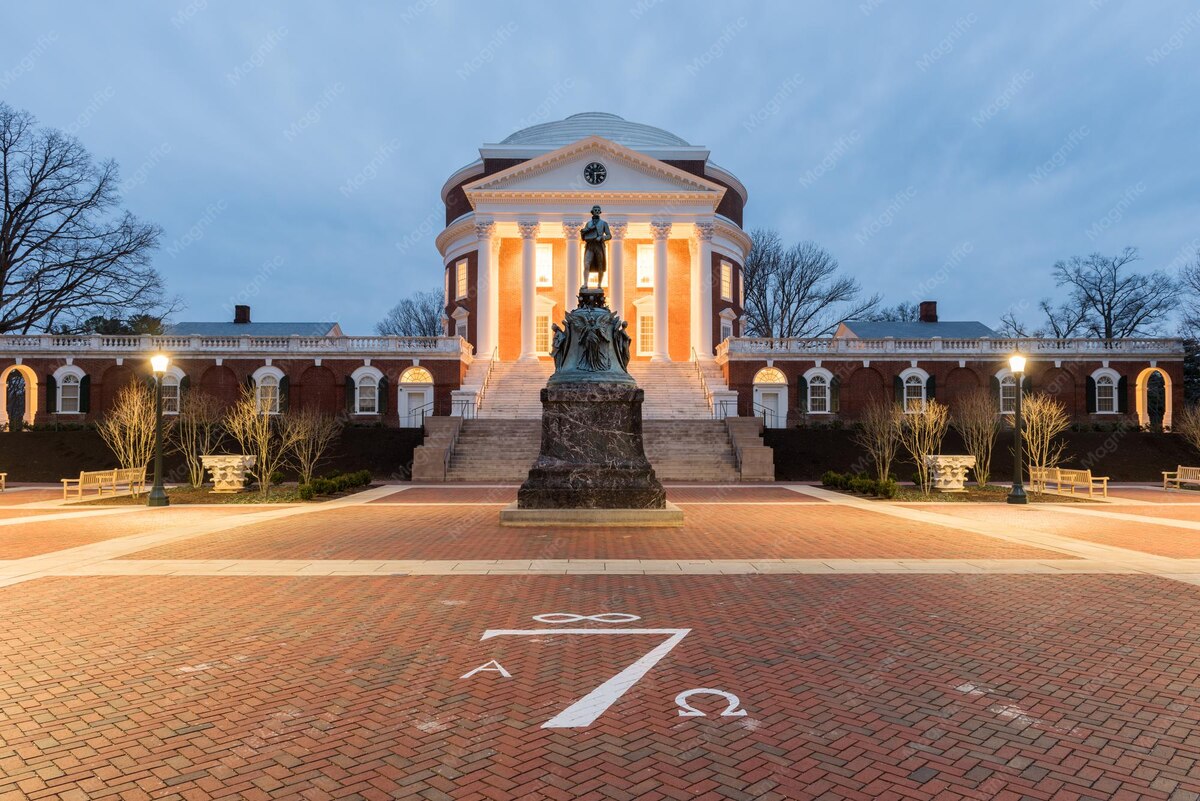
Photo via Magnific
Unlike DC, which is one compact city, Virginia's startup activity is spread across several regional hubs, each with its own anchor institutions. Northern Virginia (Arlington, Fairfax, Loudoun, Reston and Tysons) leads on cybersecurity, govtech, defense tech and enterprise software because of its proximity to federal customers. Richmond, Charlottesville, Blacksburg and Roanoke, and Hampton Roads each have their own accelerators, university tech transfer offices and angel networks.
The state ties these regions together through a few statewide bodies. The Virginia Innovation Partnership Corporation (VIPC) is the main source of state-backed early-stage capital. GO Virginia funds regional collaboration projects across nine regions, including Northern Virginia's Region 7. The Virginia SBDC offers no-cost advising to companies from startup to established businesses. You can browse these and dozens of other Virginia organizations in the StartDMV directory.
Step 1: Set up your Virginia company
Most Virginia founders form either a limited liability company or a corporation through the Virginia State Corporation Commission (SCC) Clerk's Office. If you plan to raise venture capital, talk to a startup attorney early, because many institutional investors prefer a corporation. If you are bootstrapping or testing an idea, an LLC is often simpler.
Our step by step guide on how to start an LLC in Virginia walks through naming, the registered agent, filing and the operating agreement. After formation, budget for upkeep: the SCC lists the annual registration fee for Virginia LLCs as $50, while corporation fees depend on authorized shares.
If you plan to sell to state agencies or localities, look at SWaM certification from the Virginia Department of Small Business and Supplier Diversity. A business qualifies as small if it has 250 or fewer employees or average annual gross receipts of $10 million or less, and it must be at least 51 percent owned and controlled by eligible individuals. StartDMV lists an upcoming SWaM certification workshop on October 15.
Step 2: Get free help before you raise money
Virginia has unusually strong free support for technical founders. The Virginia SBDC's Innovation Commercialization Assistance Program (ICAP) pairs Virginia-based, technology-driven startups with a dedicated mentor at no cost, from ideation through Series A. ICAP works through five milestones: validating the business model, forming a team, building an MVP, securing pilots or early sales, and developing key partnerships. It also runs a two-month Lean Startup course and helps founders strengthen SBIR applications.
For in-person help in Northern Virginia, the Mason SBDC and Loudoun SBDC are local entry points, and county economic development offices such as the Fairfax County EDA and Arlington Economic Development connect founders to programs and space. Fairfax's small business team runs drop-in sessions like the Fairfax CORE Entrepreneur Help Desk on October 13.
Step 3: Virginia startup funding from VIPC
VIPC's venture program, Virginia Venture Partners (VVP), invests in technology, cybersecurity, life sciences, energy and aerospace companies building in Virginia. Its options step up with company stage:
| Program | Amount | Best fit |
|---|---|---|
| Launch Grant | $50,000, with a 1:1 non-dilutive or in-kind match | Pre-MVP companies that have not raised angel or VC money |
| Launch Note | Up to $150,000 convertible note, 2:1 match | Pre-MVP to MVP with early customer traction |
| Pre-Seed Fund | Up to $250,000 | MVP with early traction, raising roughly $750,000 to $2 million |
| Seed Fund | Up to $1 million | Early traction through Series A, up to $3 million ARR |
| Lab-to-Launch | Up to $50,000 in commercialization support | Startups licensing university tech through the Virginia Fast-Track License |
Timing matters. VVP says Launch Grant Cycle 7 applications opened October 1 and close October 30 at 12:00 p.m. Eastern, and it expects to award 40 to 60 Launch Grants a year. Launch Notes and the Pre-Seed and Seed funds review applications on a rolling basis. Launch Notes come with a Virginia side letter requiring the company to stay headquartered in Virginia for at least three years, so read the terms before applying.
If your technology came out of a university, Lab-to-Launch covers startups using the Fast-Track License with William and Mary, George Mason, James Madison, Old Dominion, UVA, VCU or Virginia Tech. VIPC also offers SBIR and STTR support that can help select companies pay for proposal consultants, IP legal fees and accounting as they pursue federal research grants. For a wider view of non-dilutive money, see our roundup of small business grants in Virginia.
Investors and accelerators to know
Northern Virginia's investor base leans toward national security, cyber and deep tech. A few names Virginia founders should know:
- IQT (In-Q-Tel), a not-for-profit strategic investor that pairs startups with national security government partners.
- Razor's Edge, a venture firm based in Reston.
- Blu Ventures, an early-stage investor active across the region.
- MACH37, a cybersecurity accelerator whose graduates have raised more than $200 million, now taking applications for its Spring 2027 cohort.
Outside Northern Virginia, VIPC coordinates the Virginia Accelerator Network, a consortium of 16 nonprofit partners including 757 Collab in Norfolk, the 434 Accelerator and CvilleBioHub in Charlottesville, the Lighthouse Network and Startup Virginia in Richmond, and RAMP in Roanoke. Many offer free or low-cost help to high-growth founders.
University and research hubs
Virginia's research universities are a major source of deep tech startups. The UVA Licensing and Ventures Group and the Batten Institute at UVA Darden anchor Charlottesville, while the Virginia Tech Corporate Research Center hosts companies in Blacksburg. The Commonwealth Cyber Initiative, hosted by Virginia Tech with an office in Arlington, reports more than 45 participating higher education institutions and runs its own accelerator and commercialization programs through four regional nodes.
Where Virginia founders meet
Community is where most deals, hires and first customers start. The Northern Virginia Technology Council runs a startup community and its Starting Point series, including Session 3 on building a winning pitch on October 20 in Tysons. Founders looking for honest pitch feedback can try Unstuck Tuesday in Arlington, and the cyber community gathers at the NVTC Cyber Summit on October 28. Maker-minded founders can prototype at Nova Labs in Fairfax.
For a full calendar across Virginia, DC and Maryland, check StartDMV events, which we update daily. If you are deciding between Virginia and a neighboring jurisdiction, compare our guides to starting an LLC in Maryland and the DC business license.
A 30 day checklist for new Virginia founders
- Form your entity with the SCC and get an EIN.
- Book a free ICAP or SBDC advising session.
- Check whether you qualify for a VIPC Launch Grant before the October 30 deadline, or plan for the next quarterly cycle.
- If you sell to state or local government, start your SWaM application.
- Attend at least two founder events and add yourself to the StartDMV directory.
Get the weekly list of DMV startup events, grants and deadlines. Join the StartDMV list at https://startdmv.org.